
05History
Did the Jesuits invent yerba mate liqueur in the 17th century?
In Misiones, yerba mate liqueur belongs to a landscape of family recipes, small producers and memories reaching back to the time of the missions. A story with many voices, still alive in the region’s food culture.
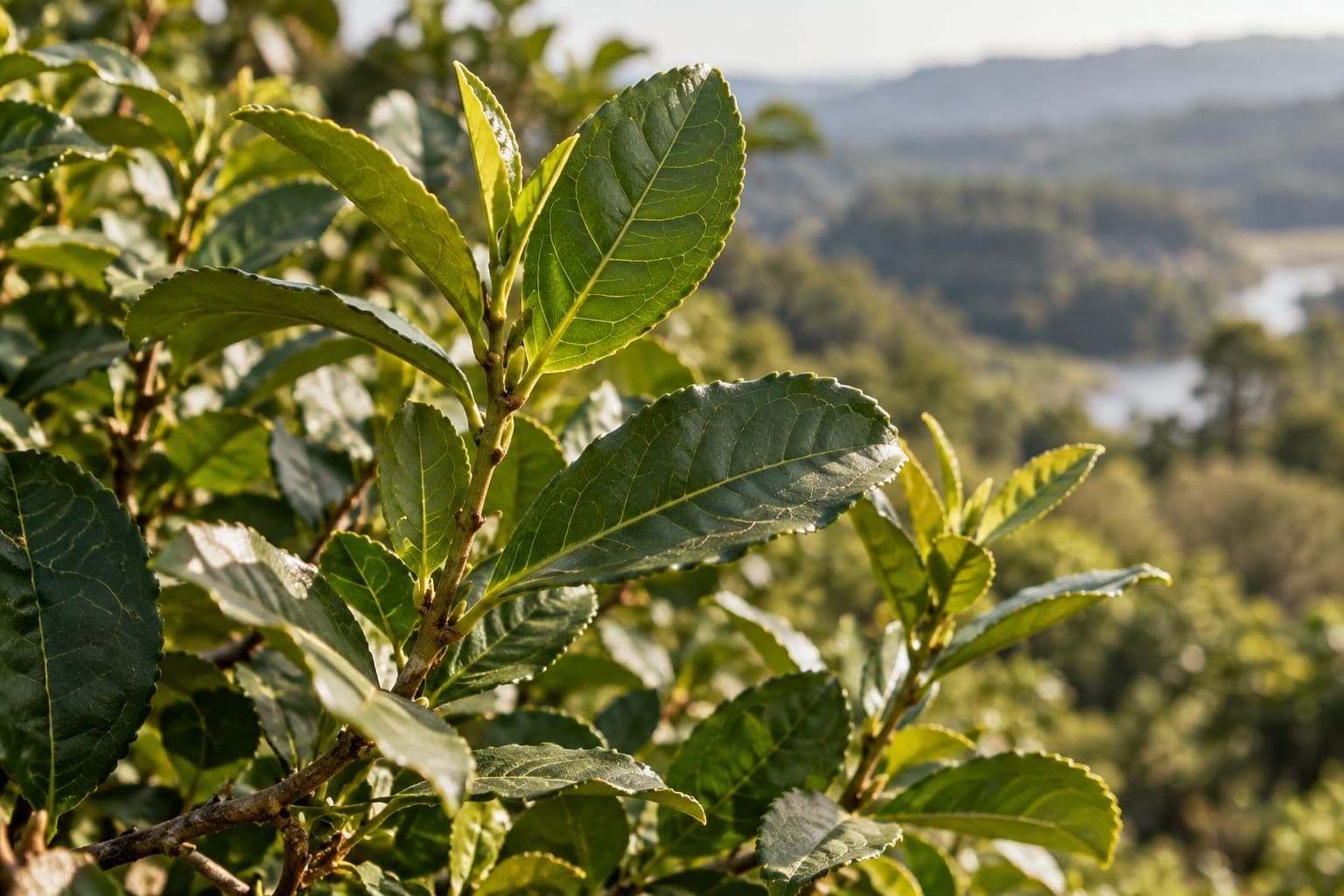
To know yerba mate, you also have to look at the places where it is grown and processed. In Misiones and neighbouring Corrientes, the plant runs through the farming landscape and everyday life. Around it, knowledge, habits and ways of preparing it have grown.
The best known is the infusion. But in Misiones yerba also goes into liqueurs: homemade preparations and craft productions that find a place at fairs, in regional catalogues and in local food offerings. Ministry of Tourism of Misiones
Mate liqueur is met through different names and stories. A family keeps a formula handed down from earlier generations. A small producer works yerba together with other local ingredients. A preparation first offered to friends becomes, over time, a business.
One raw material, many recipes
This variety also shows in local news. In 2012, a producer from Capioví presented her craft yerba mate liqueurs alongside citrus and loquat ones and other regional products. In 2014, the Caminos y Sabores fair listed mate liqueur among the specialities shown by Misiones. El Territorio, Caminos y Sabores
The Ruta de la Yerba Mate tells of another experience, that of Alma Misionera: a project born at a gathering of family and friends, from the wish to make liqueurs with the region’s raw materials. The first recipes are shared with those closest; their warm reception encourages the later work of refining and selling them. Ruta de la Yerba Mate
These are different paths within the same setting. Yerba mate liqueur emerges as a regional preparation interpreted by many people, each with their own formula and their own way of working.
A single recipe can belong to a family. A brand can give a production its identity. The story of the preparation is broader.
The memory of the missions
Alma Misionera’s story also refers to the origins: the Ruta de la Yerba Mate credits the making of the liqueur to Jesuits and Guaraní in the 17th century.
A similar reference appears in the story of the Almirón family, makers of Elixcor in Candelaria. In an interview published by the Instituto Nacional de la Yerba Mate in 2016, Mauro Almirón said that his great-great-grandfather followed a Jesuit formula received through Guaraní friends. He also stated that family records going back to 1880 exist.
The preparation began in April and was ready in July, when it was tasted and given to relatives and friends. Yerba Mate Argentina — INYM
These accounts keep a memory that links the liqueur to the time of the missions. The sources consulted do not allow us to name a single inventor, but they show that the Jesuit and Guaraní attribution is part of how some local producers tell the story.
It is a story to read together with that of the plant: known and used by Guaraní communities before the arrival of the Europeans, then cultivated and traded also through the Jesuit reductions. Argentina.gob.ar
A tradition that continues
Yerba mate liqueur still holds a place among the products of Misiones. In 2025, the province’s showcase at Caminos y Sabores included yerba and native fruit liqueurs, alongside infusions, baked goods and other local specialities. Turismo Misiones
Continuity lives on through these presences: families, craft businesses, occasions for tasting. Recipes can change, as can methods and the balance in the glass. Yerba remains the raw material around which the research grows.
So when a new bottle reaches the market, it adds its own expression to a preparation that already has a history. Its value is understood through the choices that make it distinct.
Amaro Yerba comes from Eduardo Ceppa’s home experiments and his encounter with Italian liqueur culture. Our interpretation takes shape in the cold infusion, the ageing in oak and the search for a balance that keeps the botanical recognisable.
Knowing the other stories of mate liqueur gives depth to ours. It lets us recognise a shared tradition and describe precisely what we bring to the glass.