
03Method
Understanding amaro
The identity of an amaro lies in the balance between botanical, sweetness and alcohol. Our research starts from one choice: giving space to yerba mate.
The word “amaro” suggests a taste, but it holds many possibilities.
A recipe can be built around roots, leaves, peels, spices. It can aim for a herbal, citrus, balsamic or toasted character. It can weave together many botanicals or focus on just one.
To find your way through this landscape, it is worth starting from a question: what stays recognisable in the glass?
Reading the craft
Craft gains meaning when it turns into precise choices.
Which raw material is selected? How is it worked? What balance is the recipe after? What role do time, sweetness and ageing play?
These questions help to know a product without stopping at its label.
The number of ingredients, too, tells only part of the story. A complex recipe can reach great clarity; a minimal recipe demands just as much precision.
One leading botanical
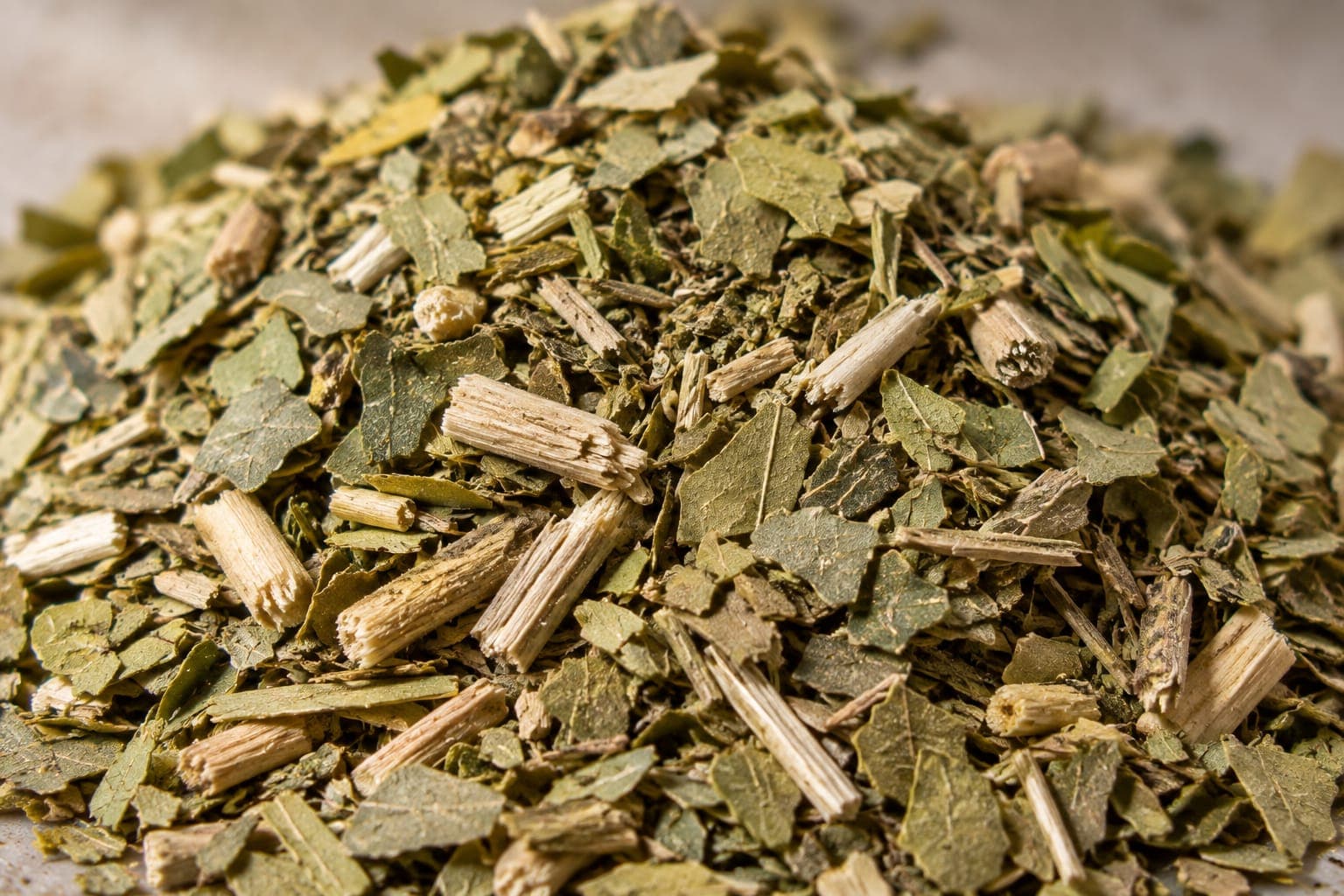
Amaro Yerba is a single-botanical amaro: Argentine yerba mate is the one leading botanical in the recipe.
This choice focuses the research on the character of the plant and on how to make it legible.
The method includes a cold infusion in wheat-based agricultural alcohol, followed by ageing in oak. The product is bottled after settling naturally, without filtration.
Raw material, extraction and ageing all shape the final amaro.
The role of sweetness
Sugar takes part in the balance of an amaro. It affects the texture, the entry on the palate and the relationship between alcohol and bitterness.
In our reading, sweetness should accompany the botanical while leaving it space.
The Amaro Yerba recipe uses sugar. The result is described through a spiced opening, hints of honey and a bitterness reminiscent of tea leaves.
On the nose come vegetal, earthy notes of hay and tobacco. In the finish, hints of toasted wood and herbs extend the sip.
These are sensory descriptors: they help to describe what is perceived, and do not indicate added ingredients.
From after dinner to mixing
Neat, Amaro Yerba lets you follow the profile of the botanical with little else around it. This is how it finds its place in the Italian after-dinner ritual.
In a cocktail, that profile enters into a relationship with other ingredients.
Mixing calls for a new measure: knowing how much bitterness to bring in, which sweetness to balance, how much space to leave to the other ingredients.
Yerba mate can become a recognisable trait of the drink, able to shape the taste beyond the first sip.
Our idea of balance
We are after an amaro in which the raw material has a clear voice.
A product to get to know neat and to explore in mixing, through different uses that keep its character recognisable.
The work begins with the plant. In the glass, that choice should be something you can taste.